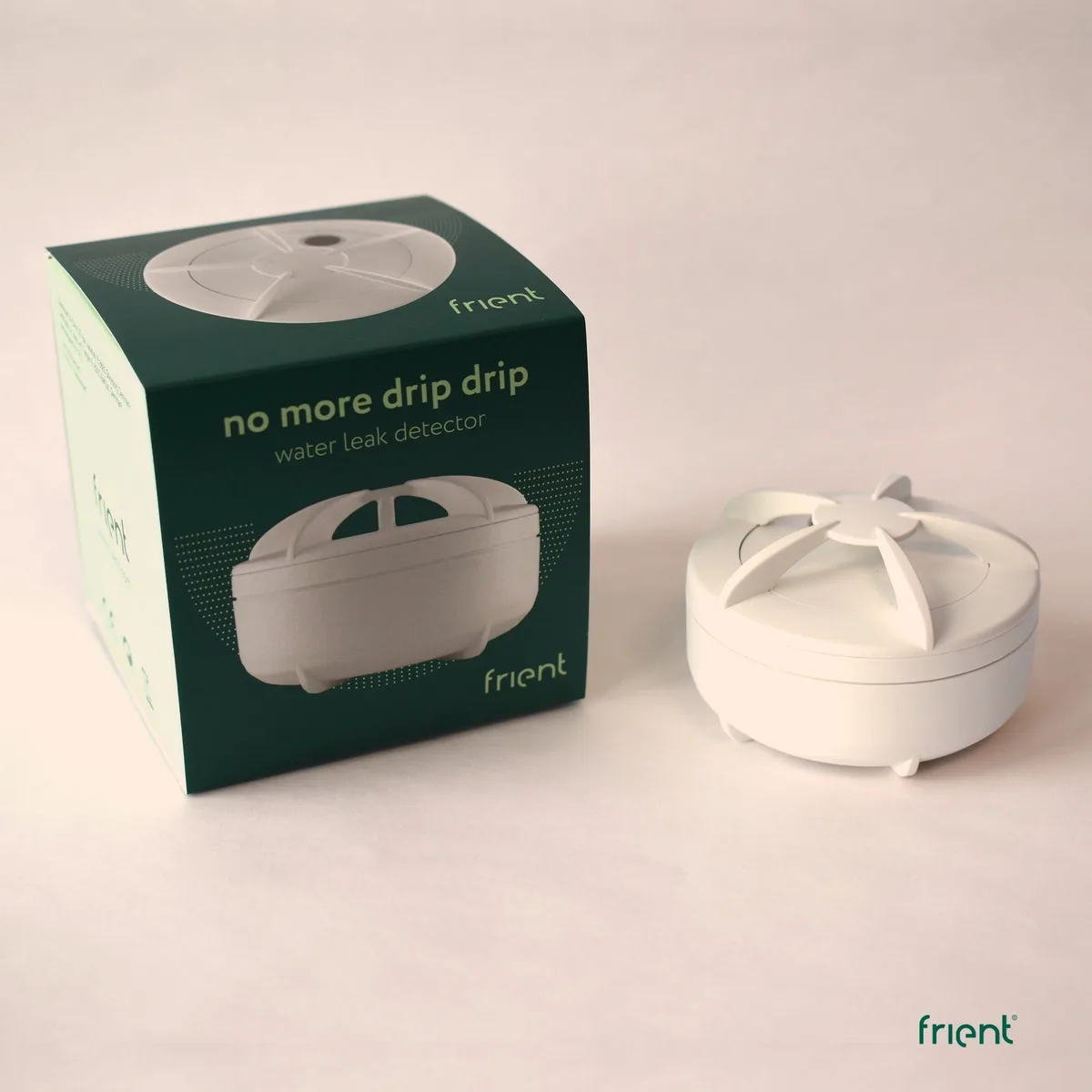



The Wisdomlyr range
Shop the essentials
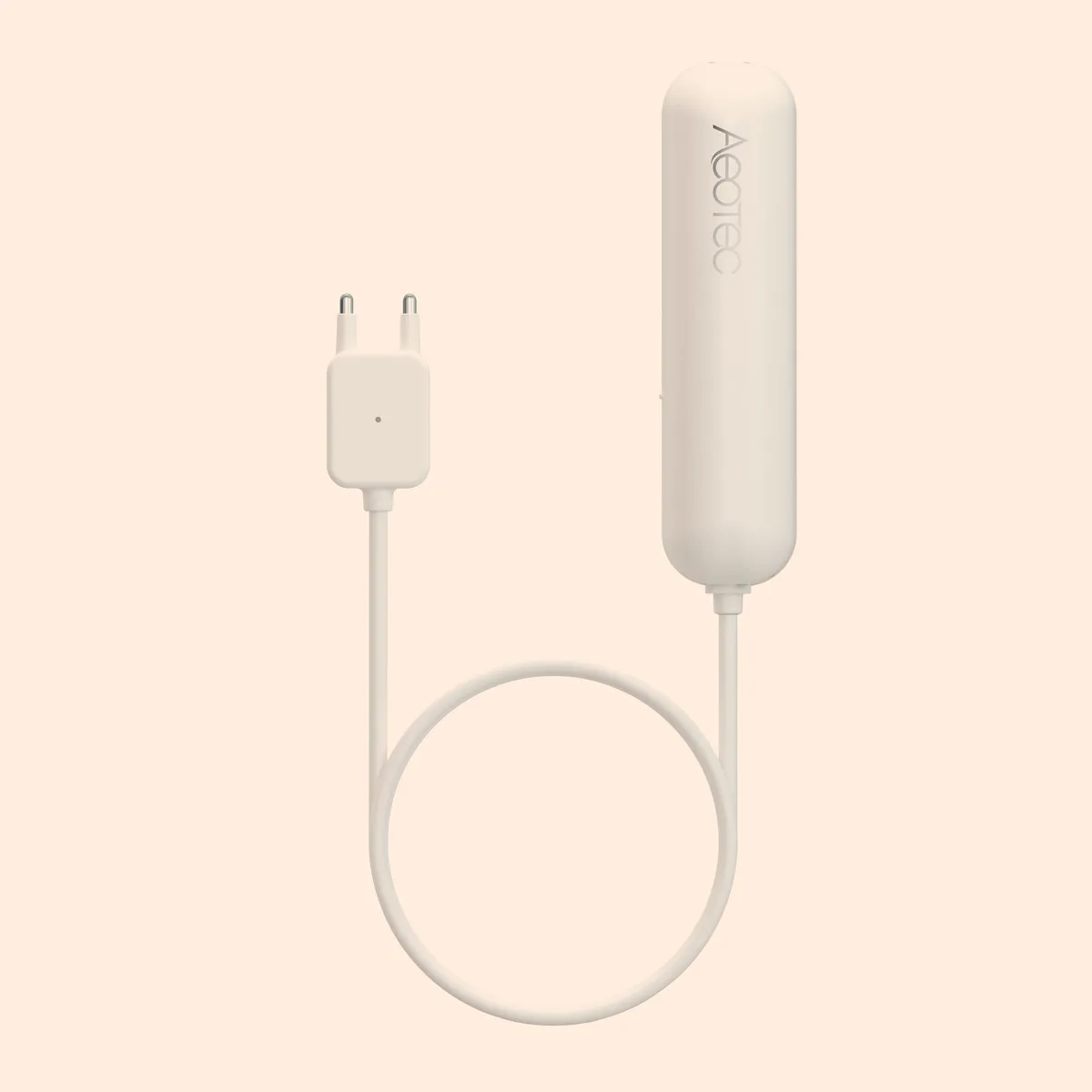
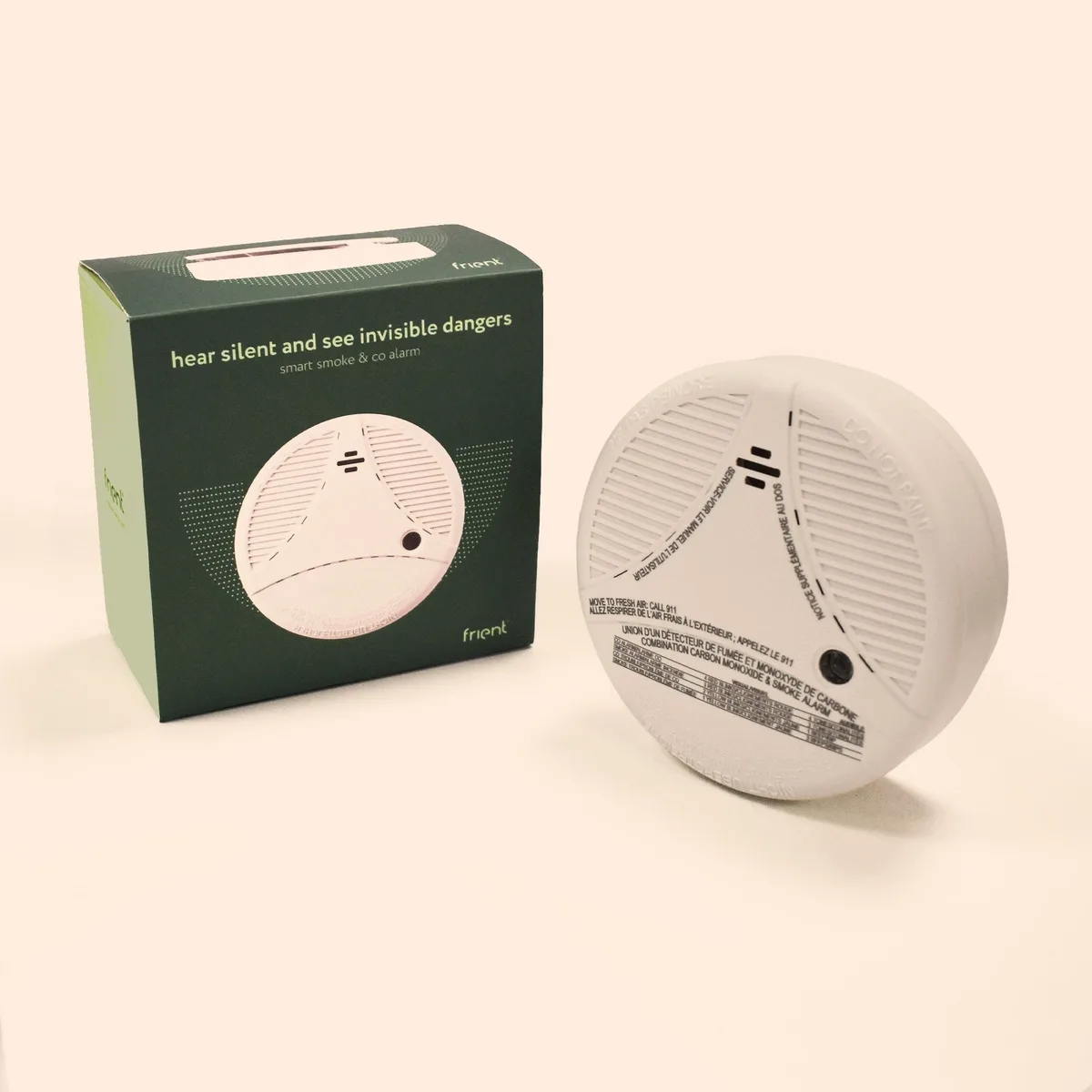
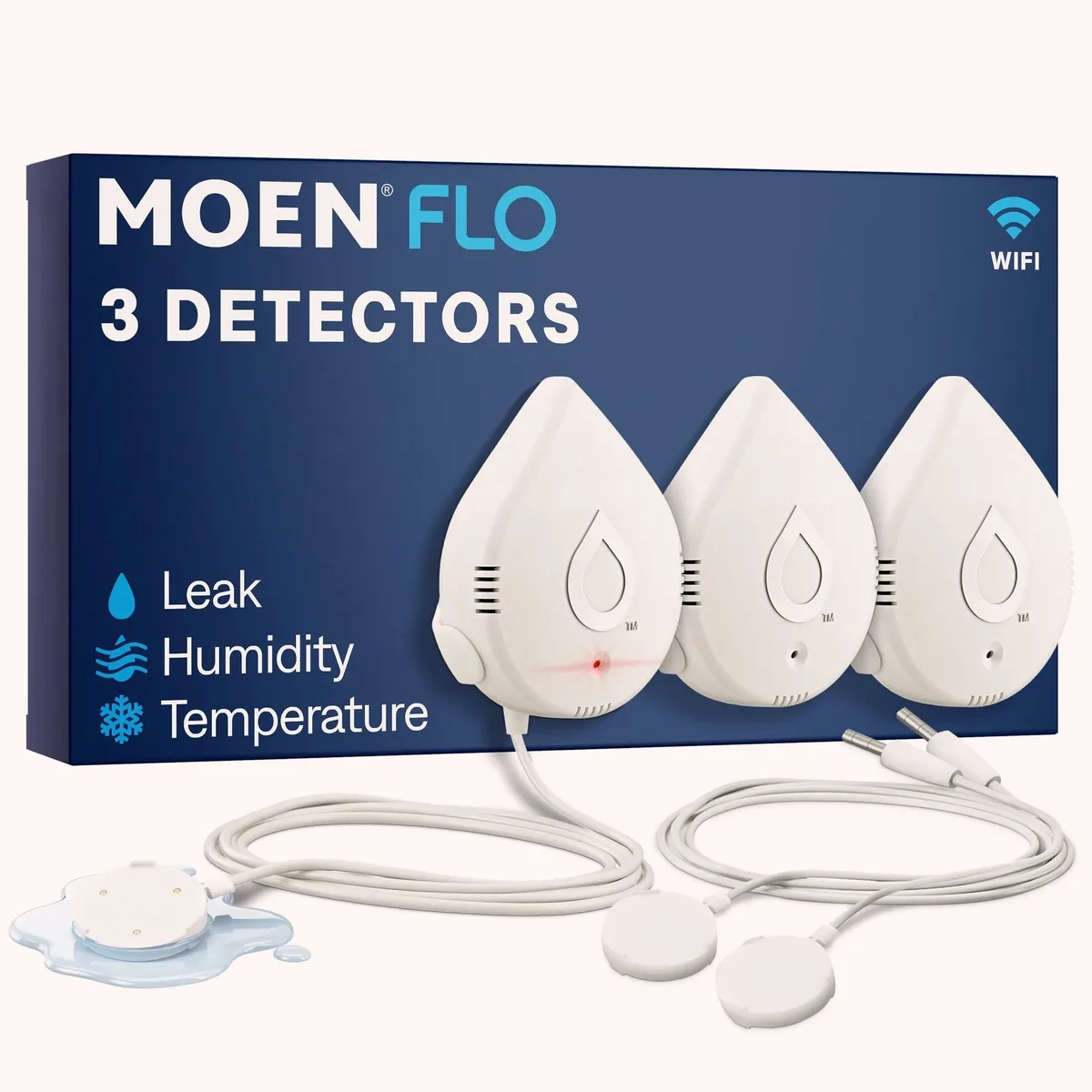
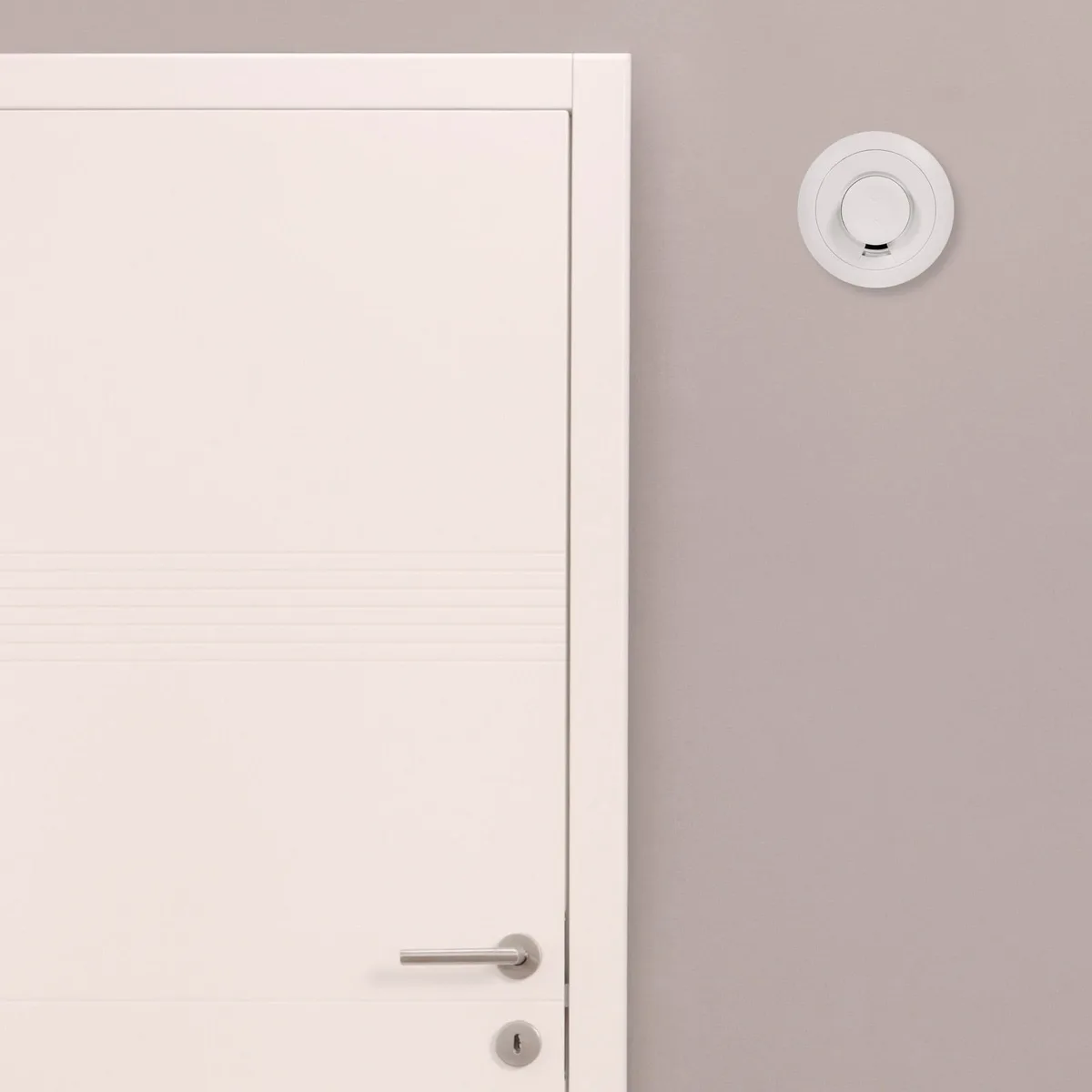
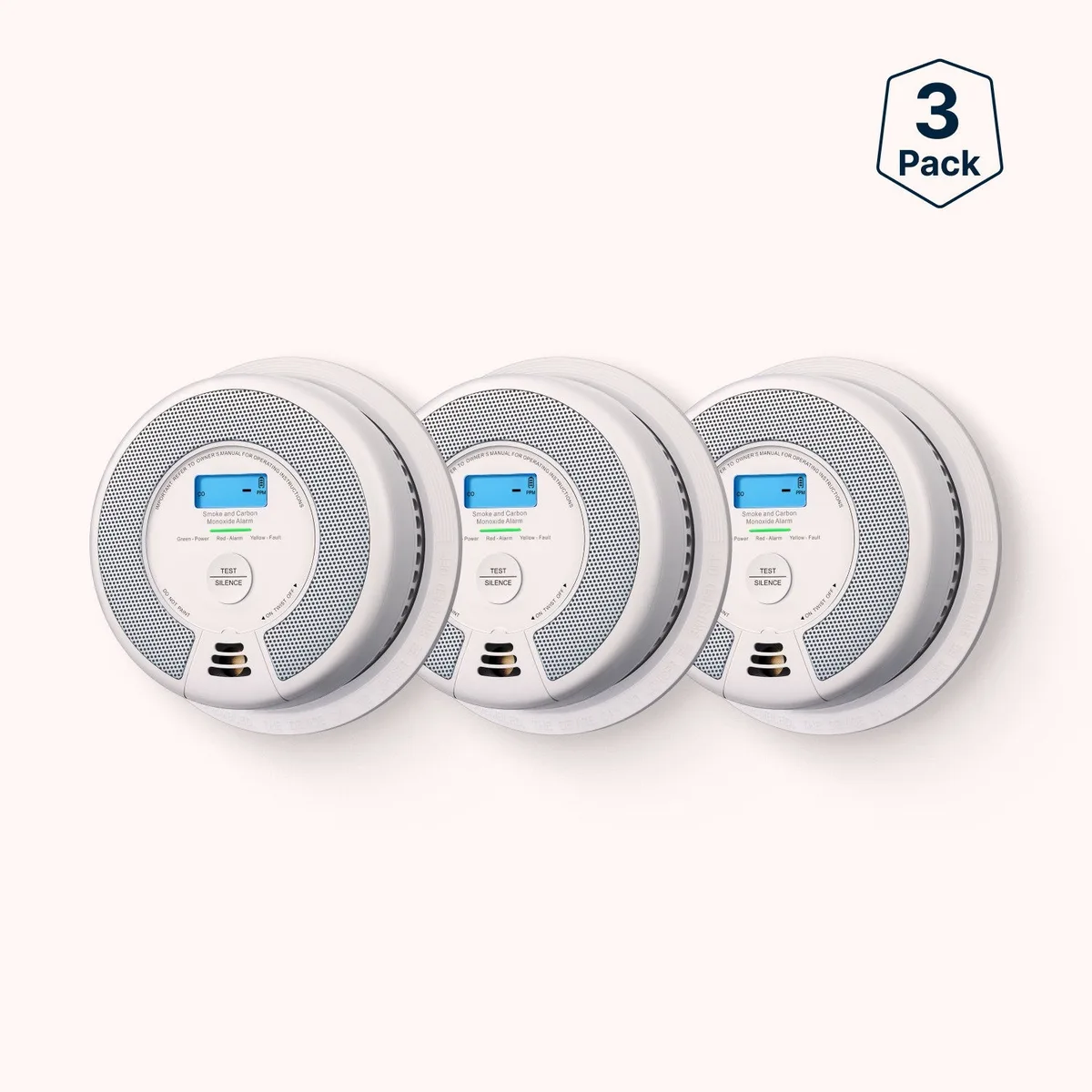
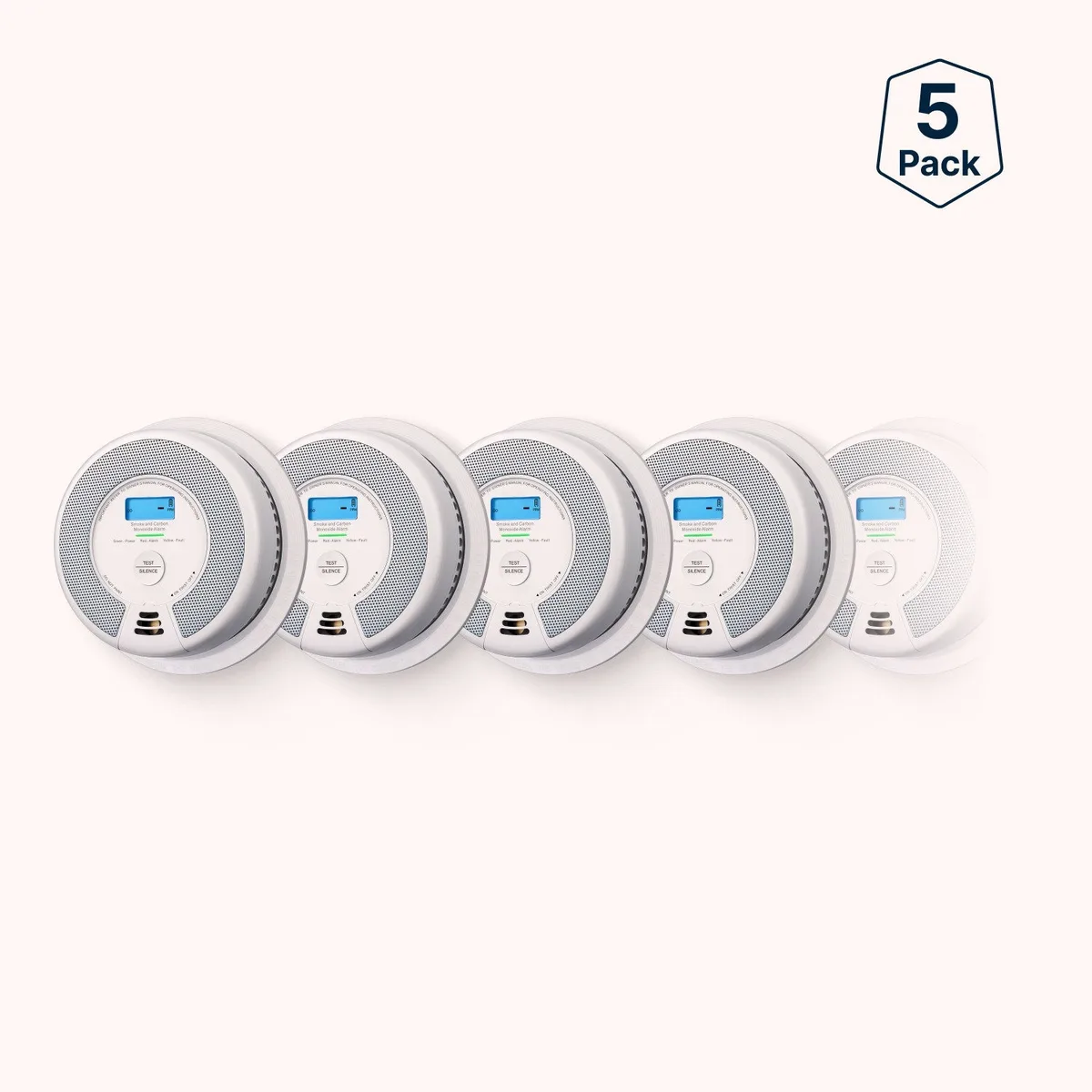
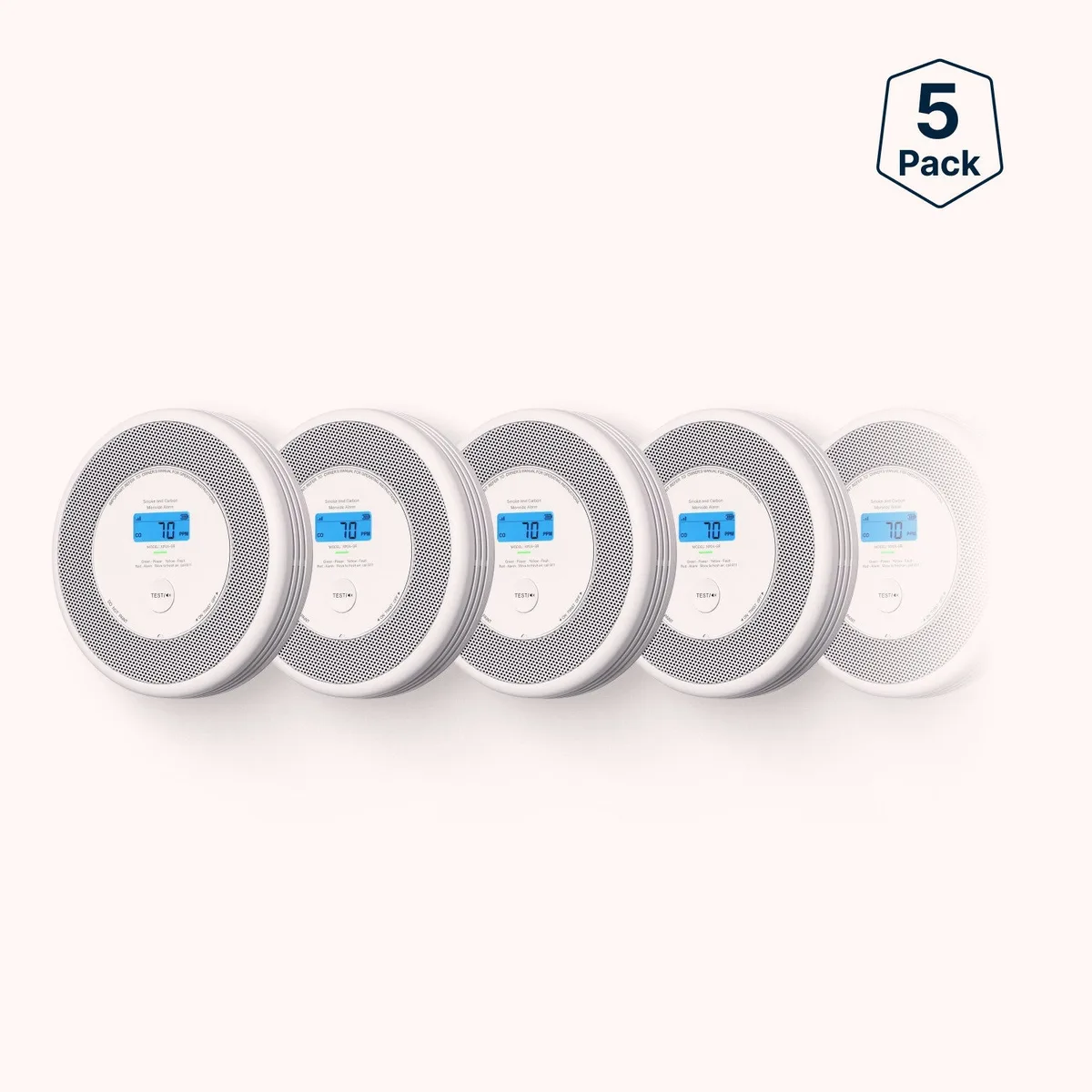
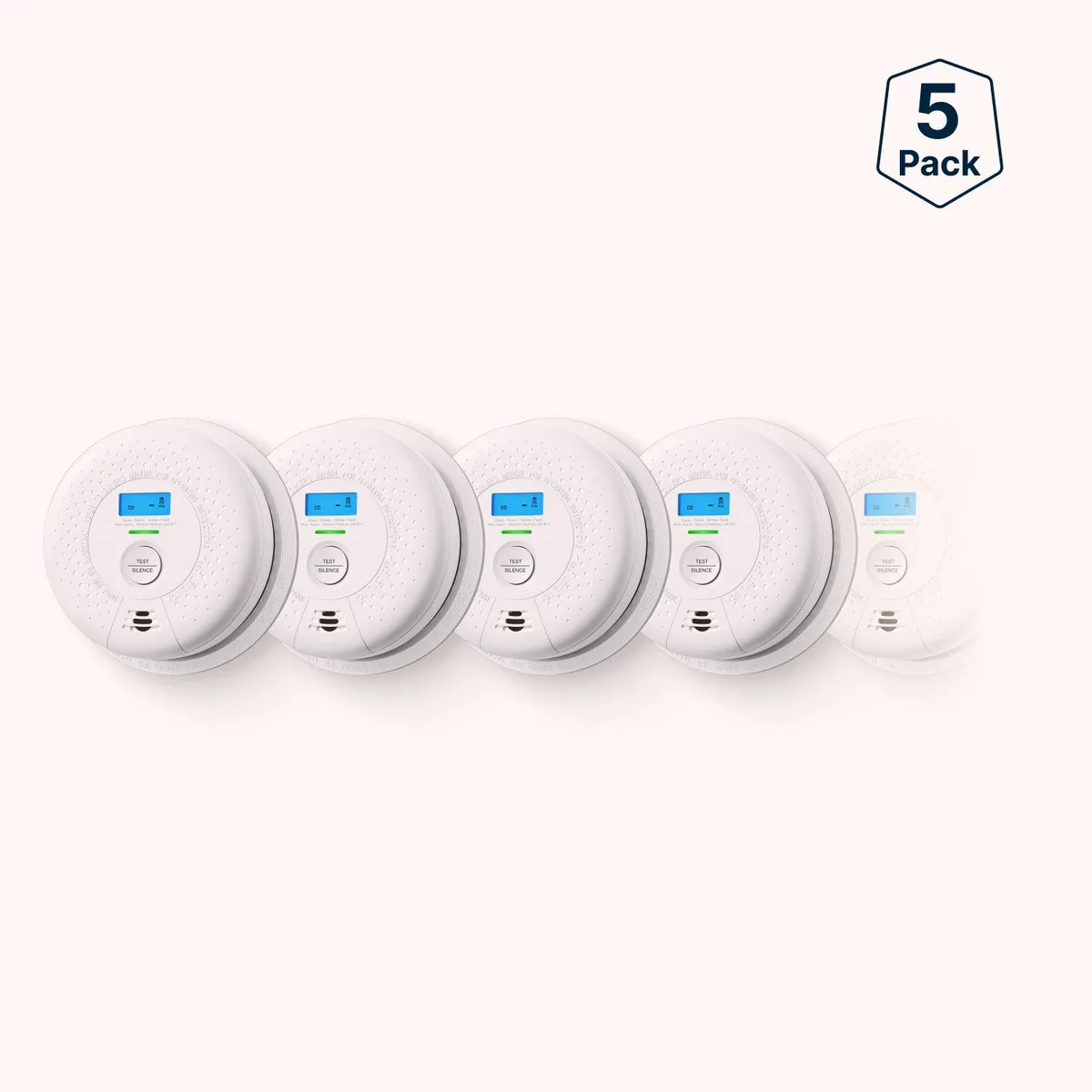
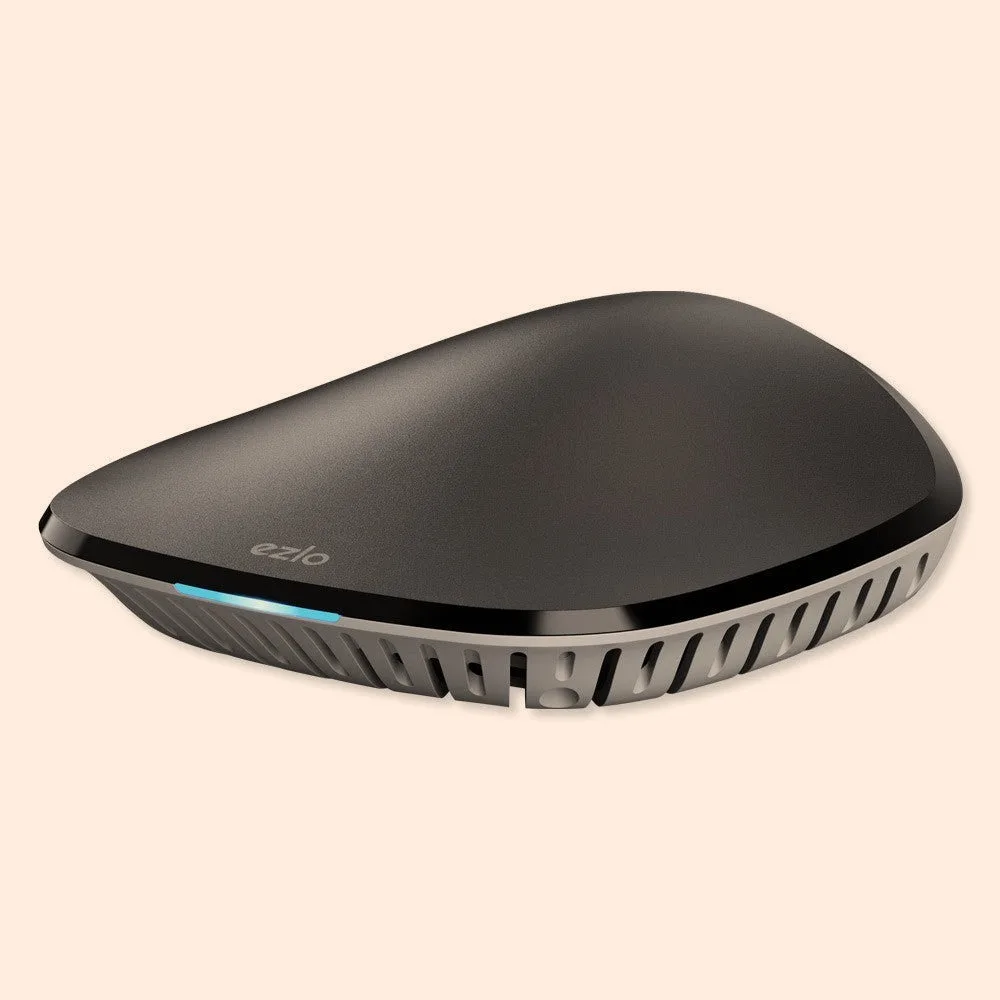
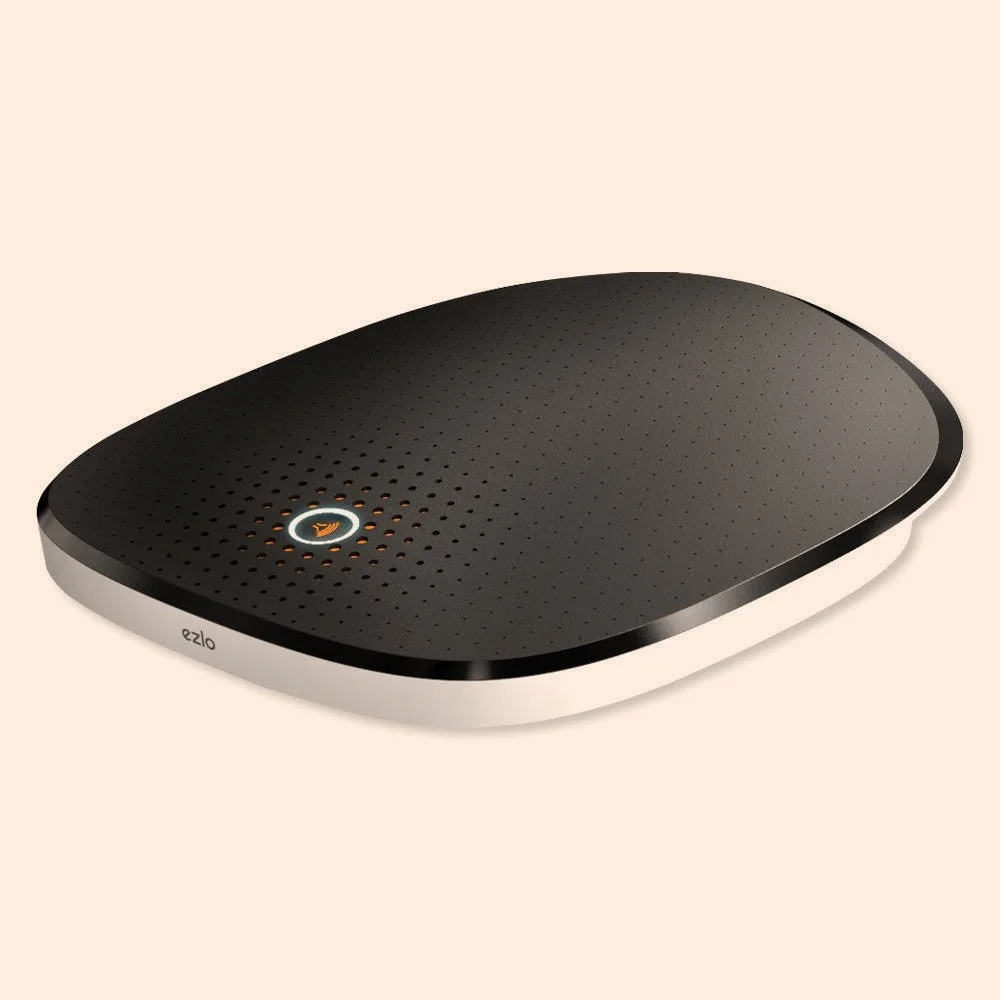
Everything we sell does one of three jobs: notice water early, stop the water automatically, or warn everyone about smoke and carbon monoxide.
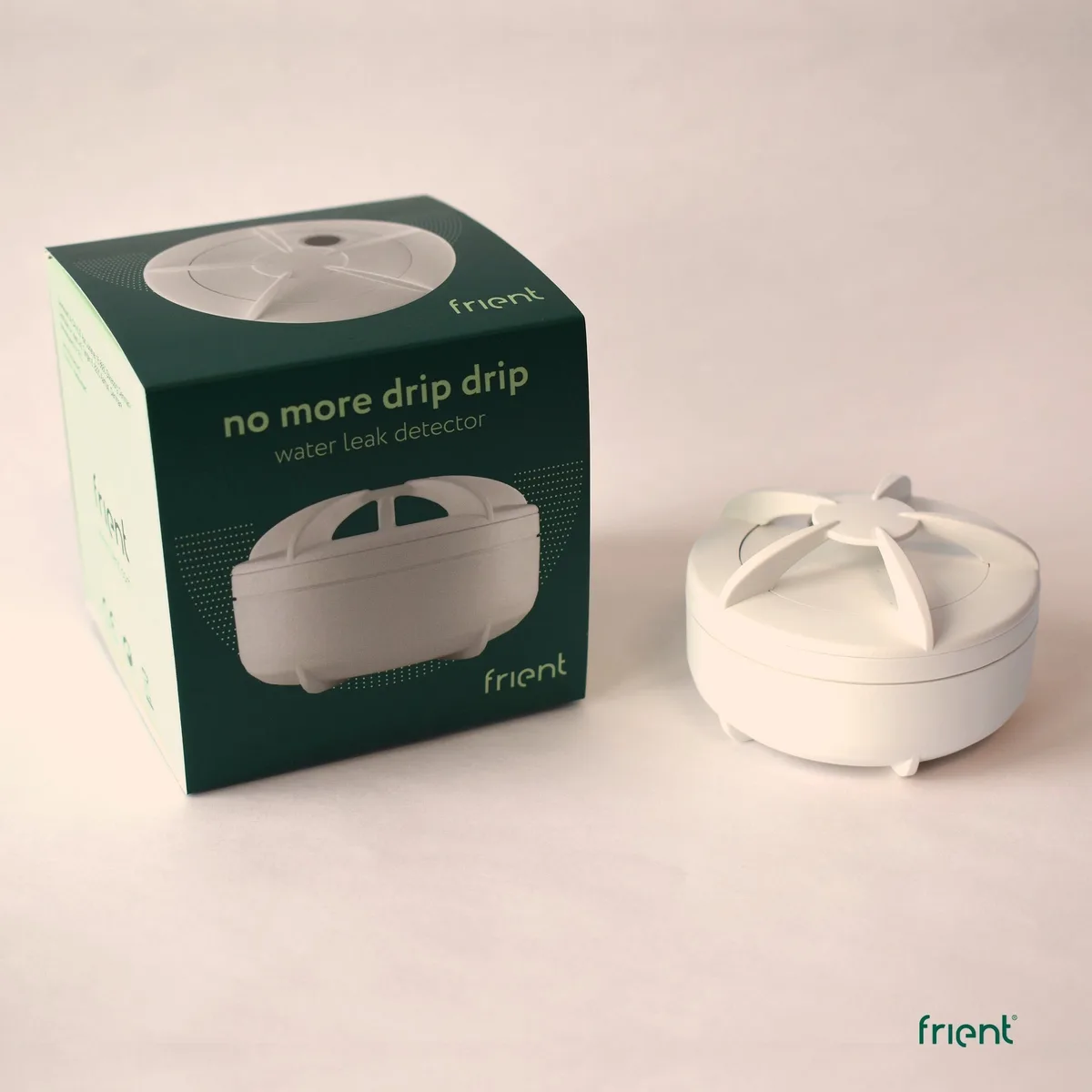
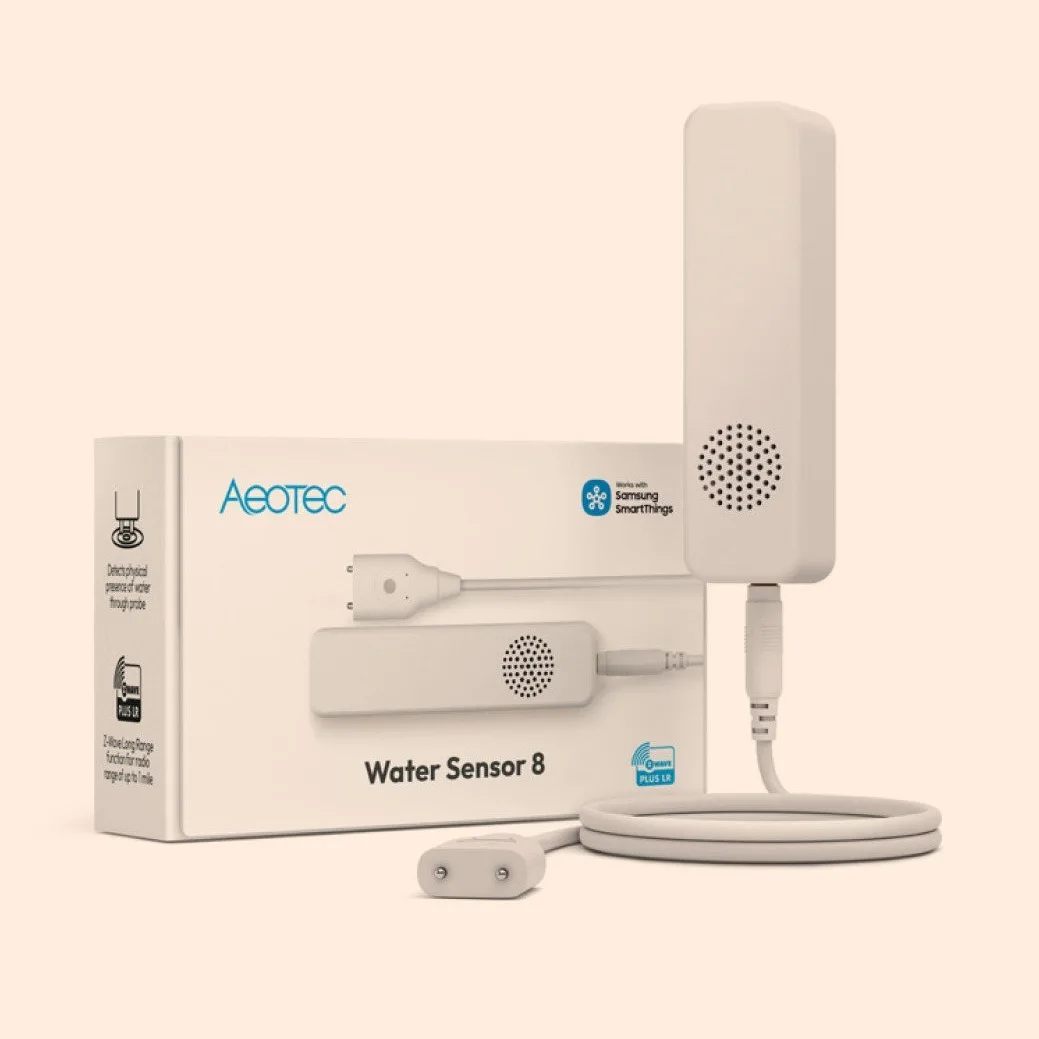

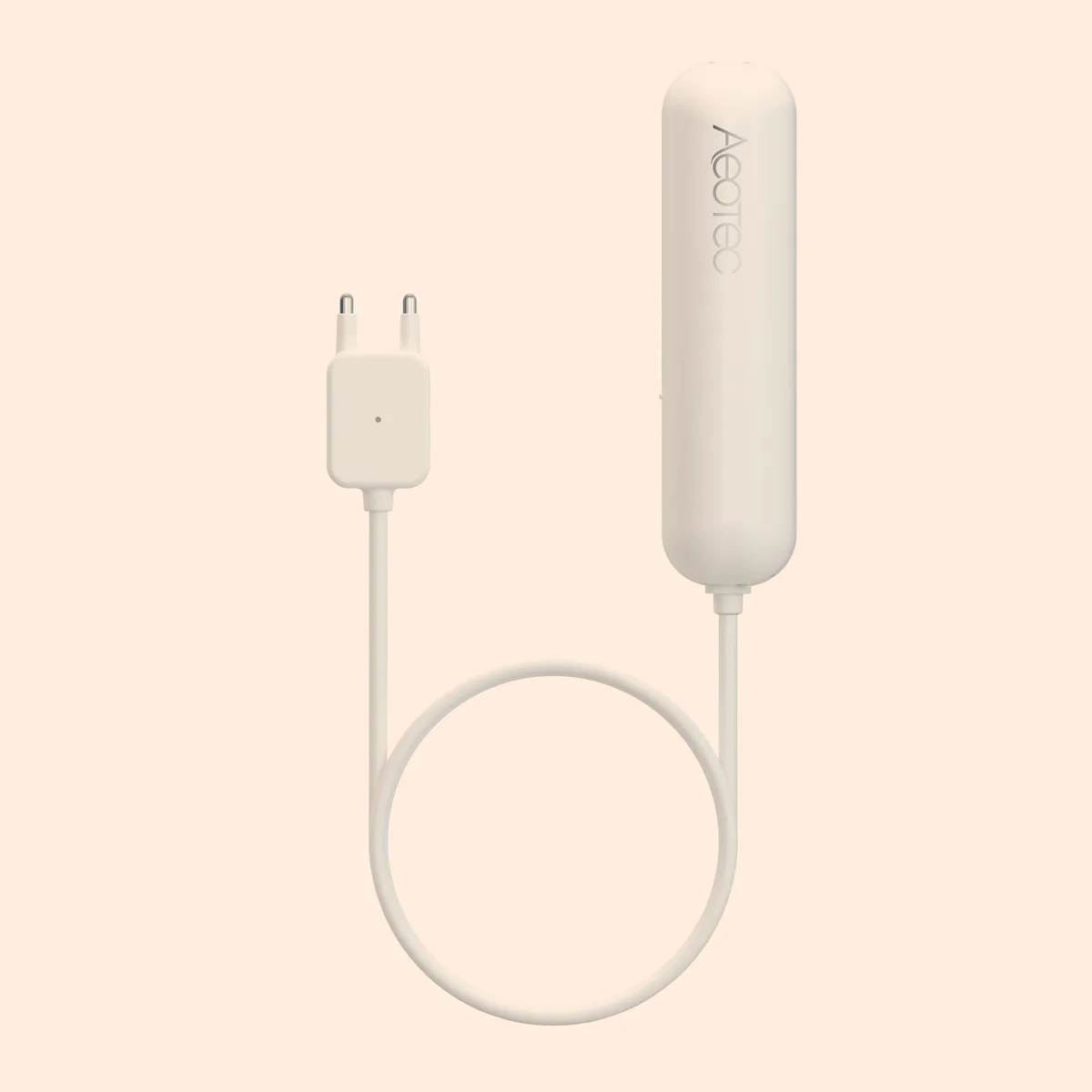





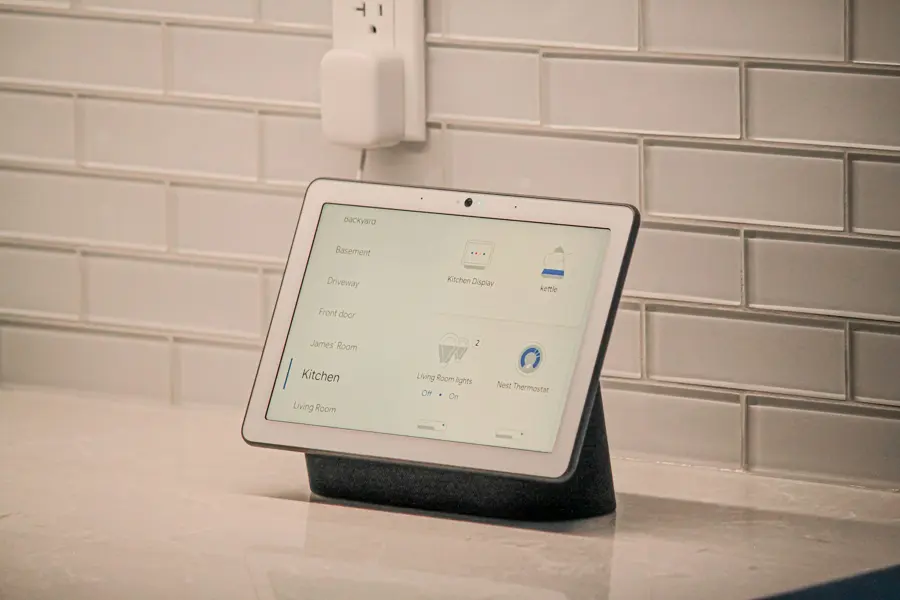
How a protected home works
Detect. Alert. Shut off.
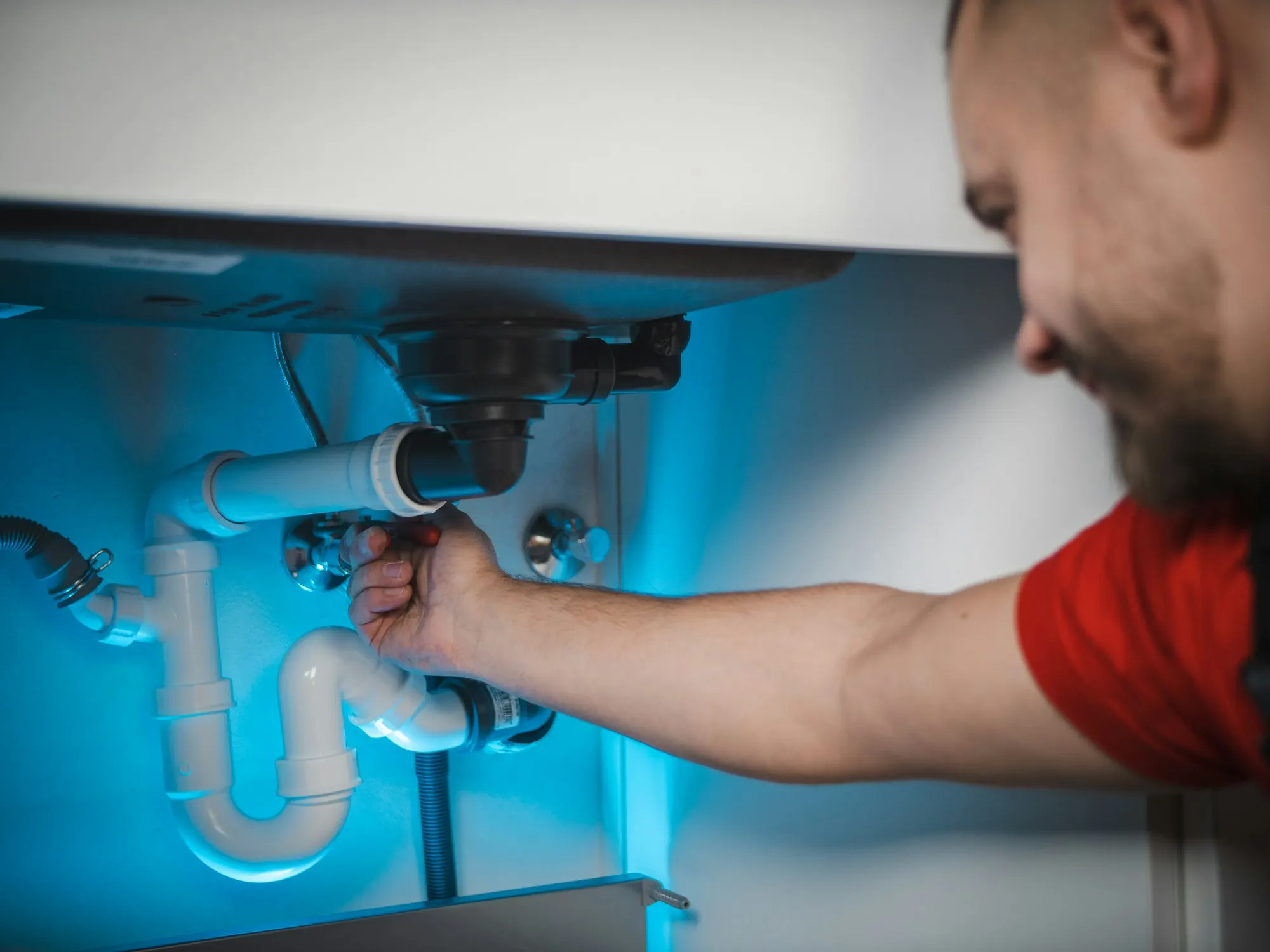
A leak under a sink can release gallons per hour. The goal is simple: find it in seconds, not when the ceiling below starts to stain.
01
Detect
A leak sensor on the floor closes its contacts the moment water bridges them. Smoke and CO alarms watch the air around the clock.
Sensor online02
Alert
A loud local siren sounds and, on connected models, your phone gets a push notification through the app or your Zigbee / Z-Wave hub.
Leak in laundry03
Shut off
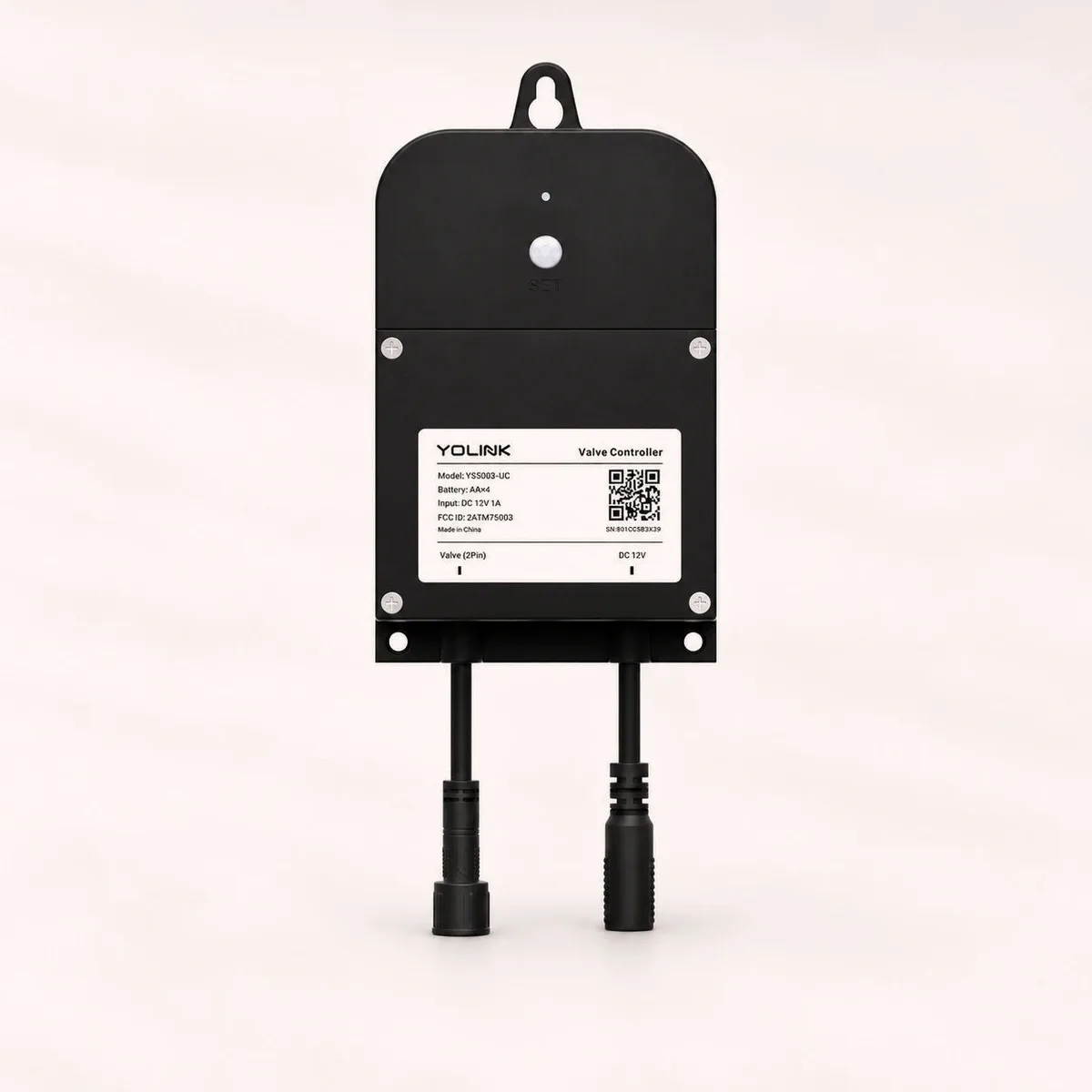
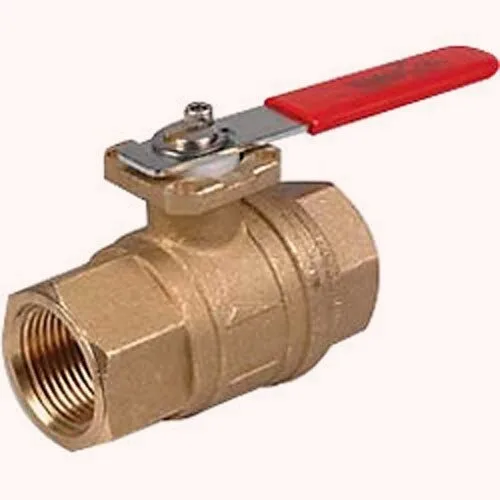
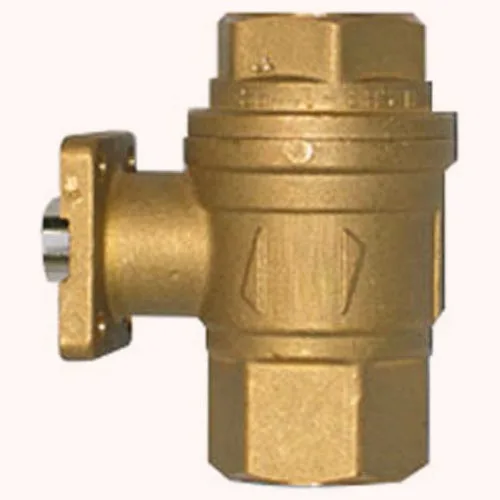
A motorized actuator on your main ball valve turns it closed automatically, so a burst hose stays a puddle instead of a flood.
Main valve closed Where to place sensors
Leaks start in four places
Put one sensor at each spot below and you cover the most common sources of water damage in a house or apartment.

Spot 01
Kitchen
Dishwasher hoses, sink supply lines and the fridge ice-maker line.

Spot 02
Bathroom
Toilet supply, vanity drain and the base of the tub or shower.
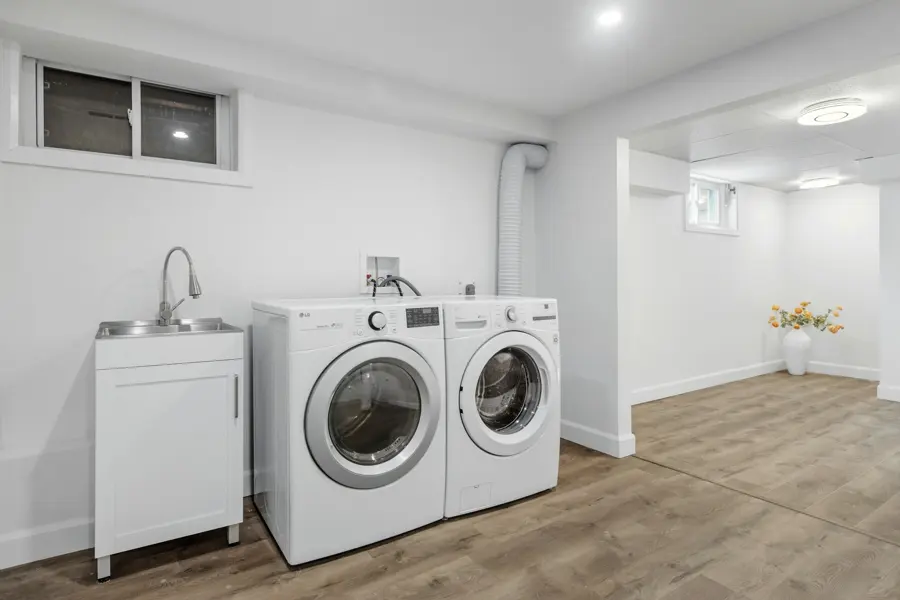
Spot 03
Laundry
Washer fill hoses burst without warning — put a sensor behind it.
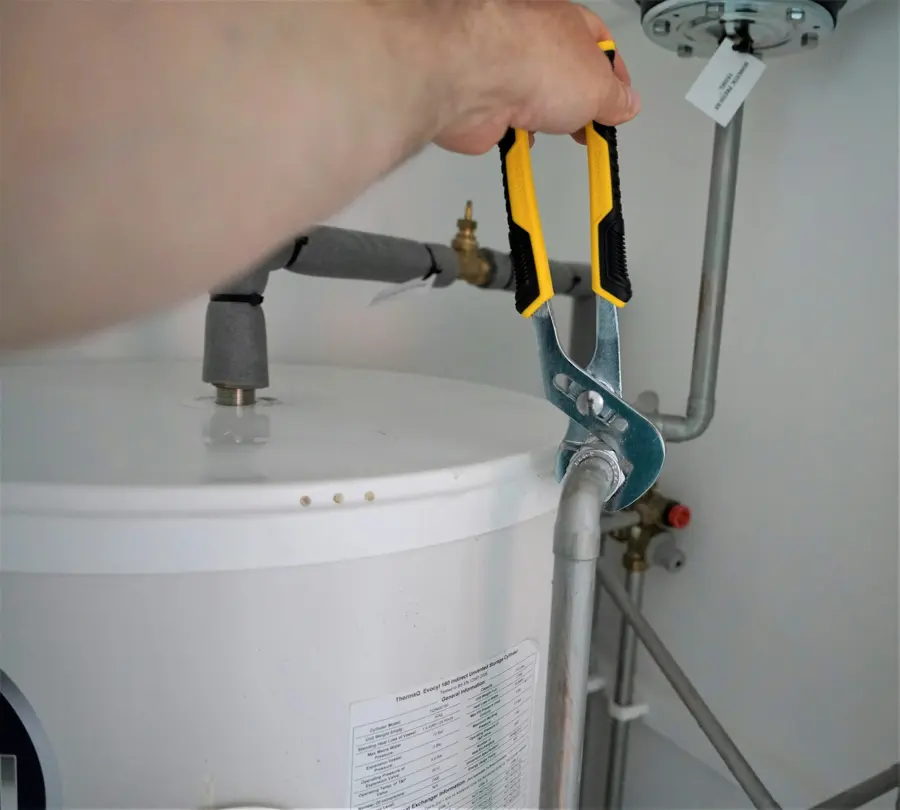
Spot 04
Water heater
Tanks corrode from the inside. A sensor in the drain pan sees it first.
ProtocolZigbee
Low-power mesh for hubs like Home Assistant, SmartThings and Hubitat.
ProtocolZ-Wave
Sub-GHz mesh with long range through walls and floors.
ProtocolWi-Fi
No hub needed — connects straight to your router and phone app.
Always onLocal siren
Sounds on the spot, even if the internet is down.

Every levelSmoke and CO alarms belong on every floor of the home, including the basement.
Smoke & carbon monoxide
A kit for the whole house, not one hallway
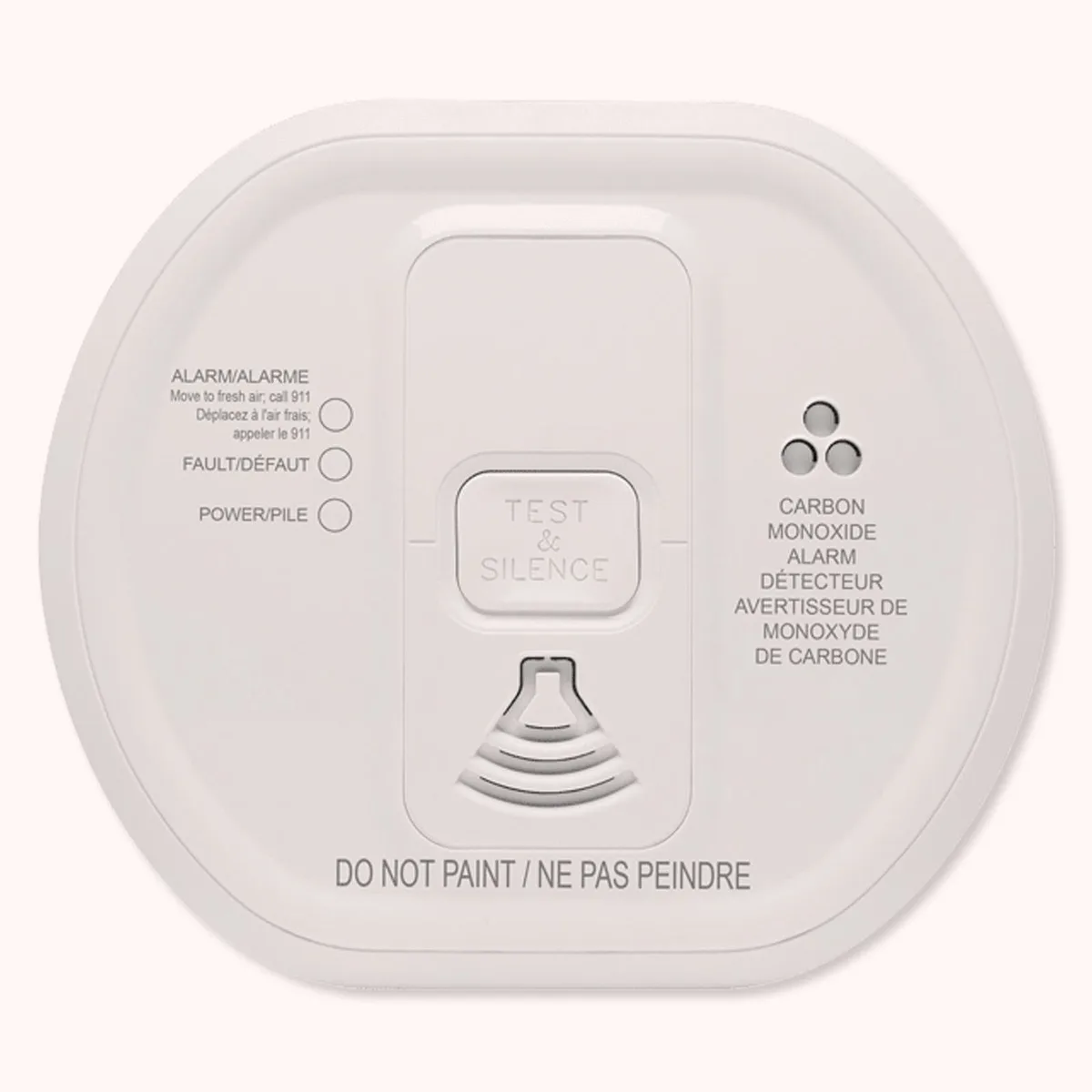
Carbon monoxide has no smell and no color. Fire safety organizations recommend alarms in these places:
- 01Inside every bedroom
- 02Outside each sleeping area
- 03On every level, including the basement
- 04Interconnected, so one alarm sounds them all
US shippingFree standard shipping over $120
30-day returnsUnused items in original packaging
Real support[email protected]
Arizona companyOperated by Wichidta Jerseys LLC